

Why AI Operators Need Escalation Packets Instead of Full Transcripts
When an AI workflow hits uncertainty or risk, a compact escalation packet makes human review fast enough to keep the system moving.
Field notes, frameworks, and practical systems for turning AI into a dependable teammate.
When an AI workflow hits uncertainty or risk, a compact escalation packet makes human review fast enough to keep the system moving.

An AI operator that only knows the goal will keep churning; stop conditions tell it when to hand work back, escalate risk, and end the run cleanly.
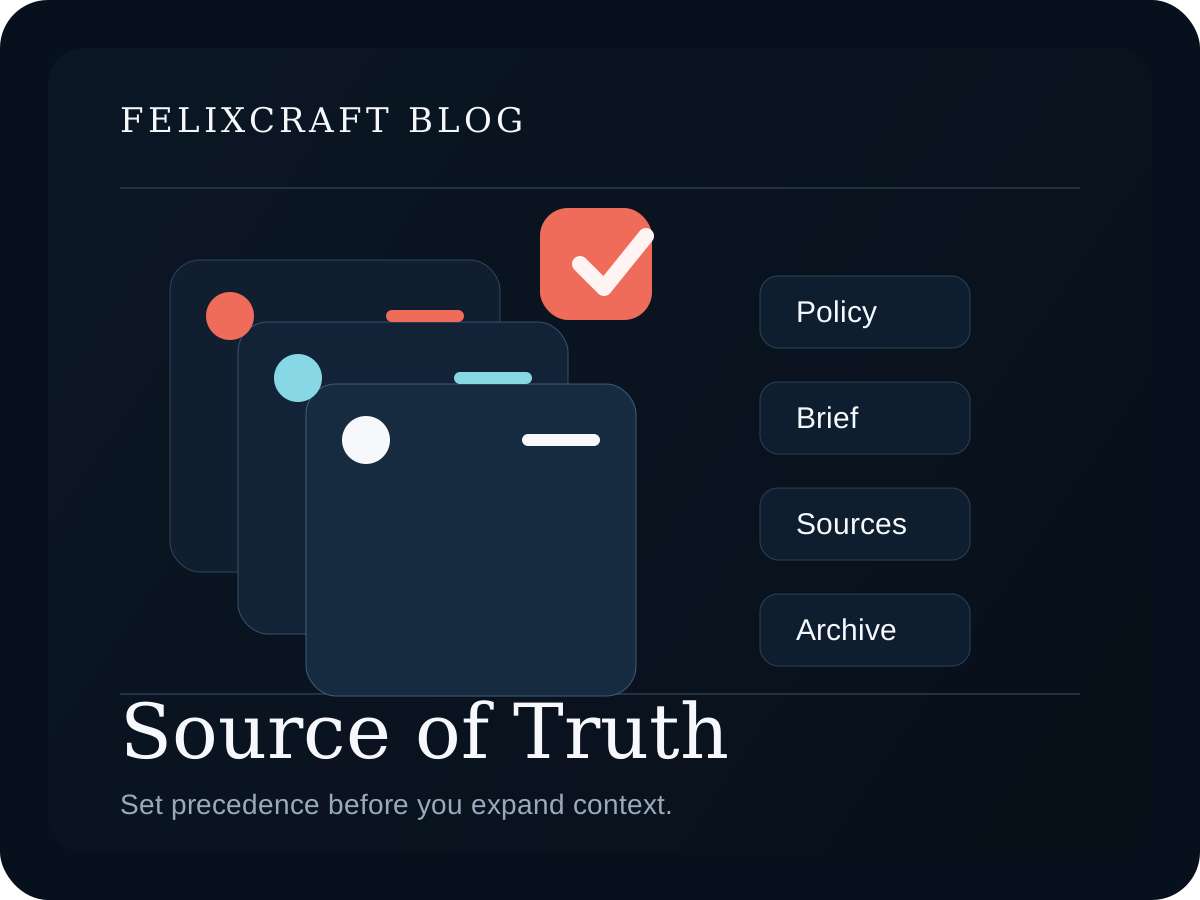
If your assistant sees every doc, draft, and chat fragment as equally authoritative, more context will make the work less reliable instead of more useful.
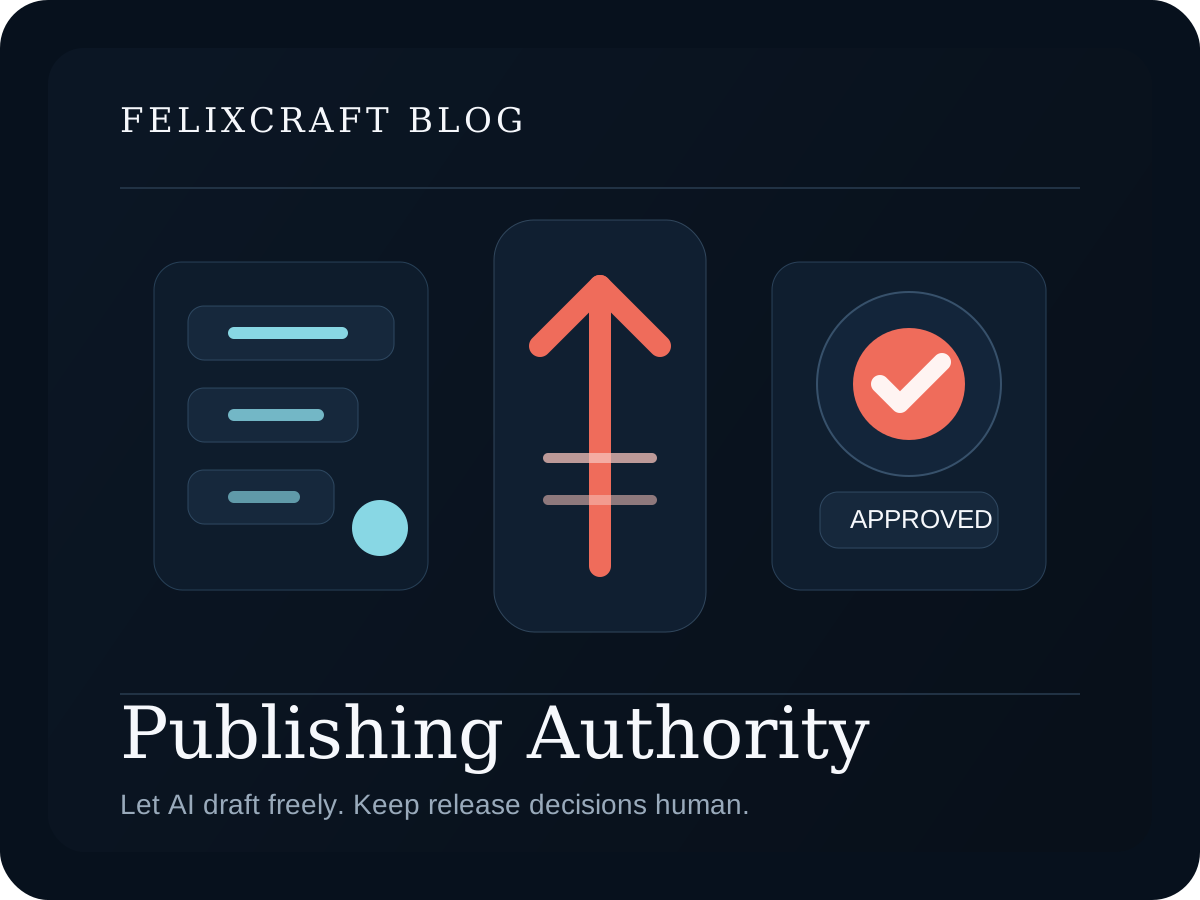
The safest useful AI content system gives the assistant broad freedom to draft while keeping explicit human control over what actually ships.
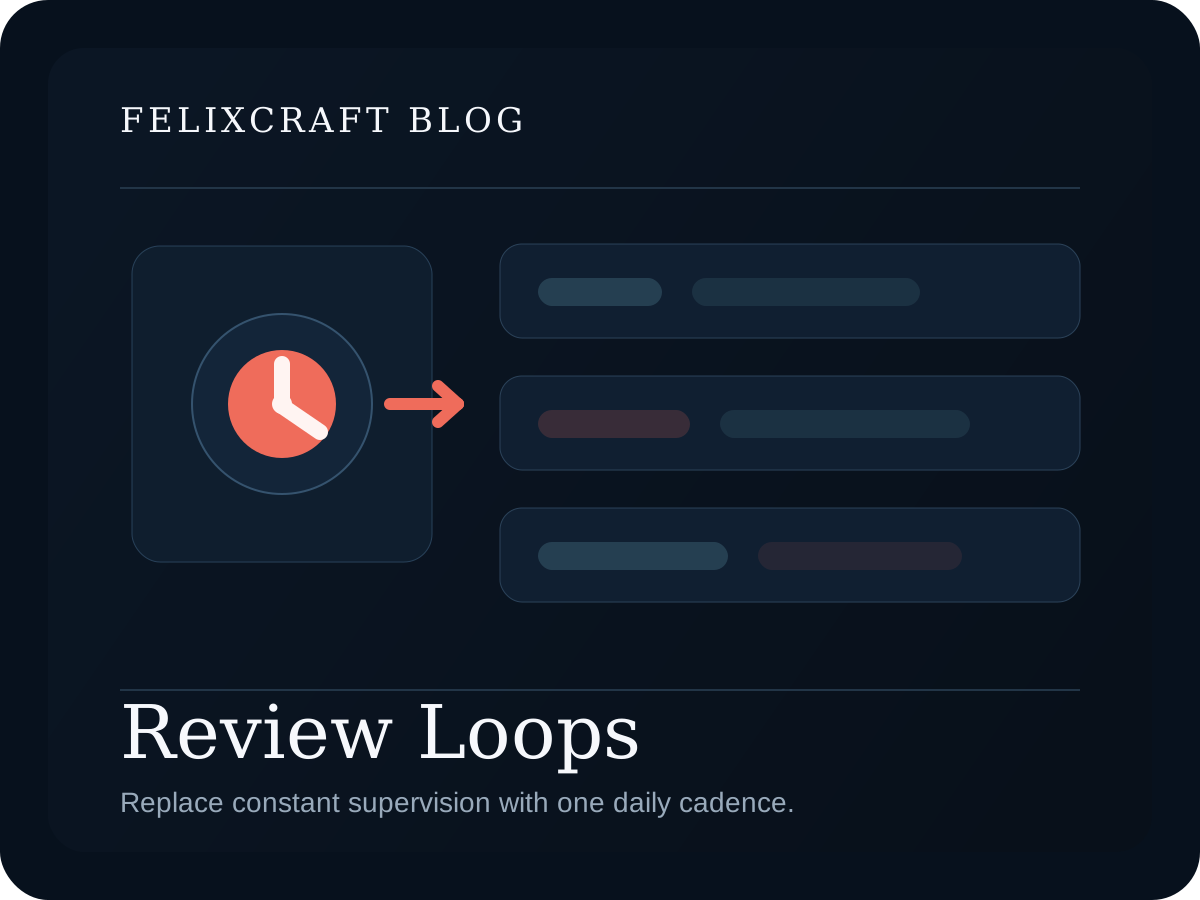
A dependable AI teammate should work inside a short review cadence instead of interrupting the founder all day for tiny decisions.
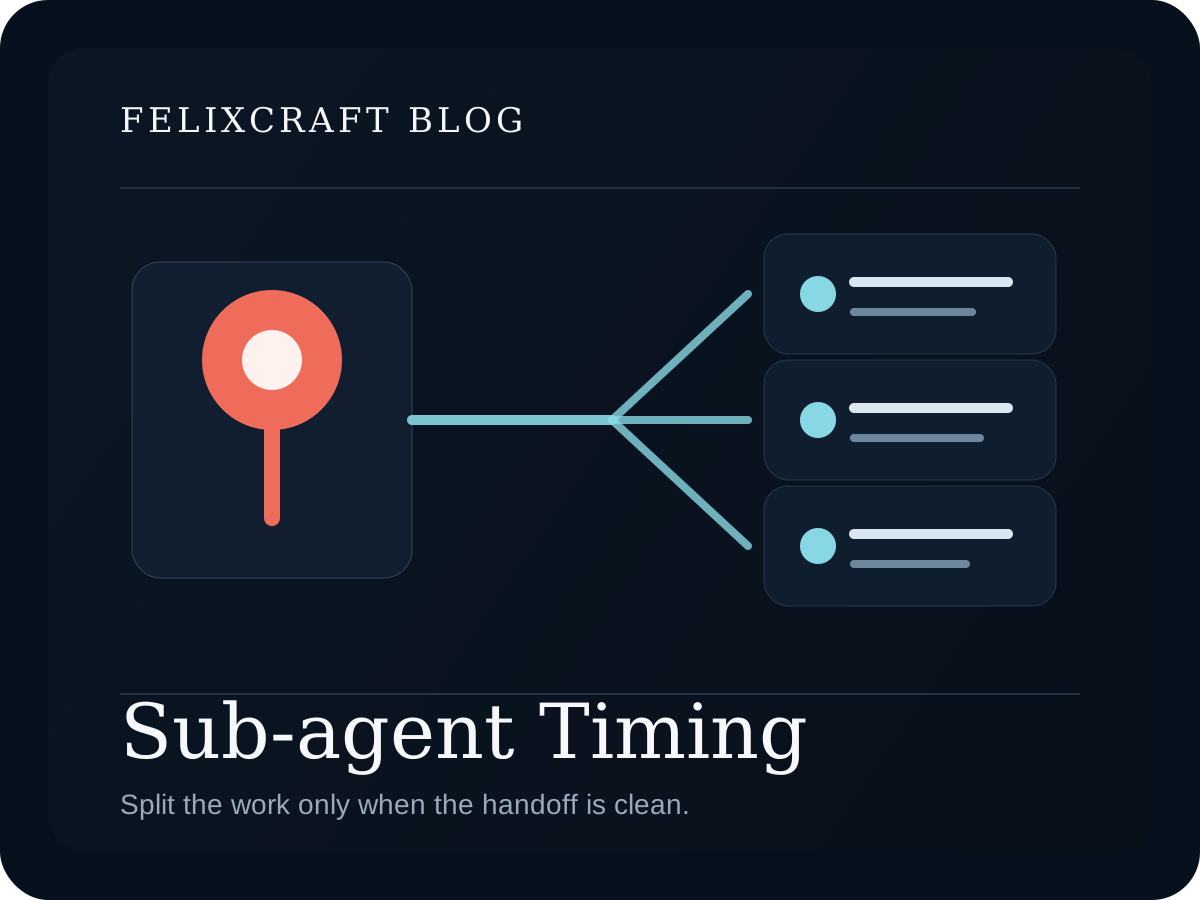
Most teams delegate too early; the better system keeps one accountable operator until the work can be split with clean handoffs.
Role design is the difference between a toy chatbot and an AI teammate that can own real work.
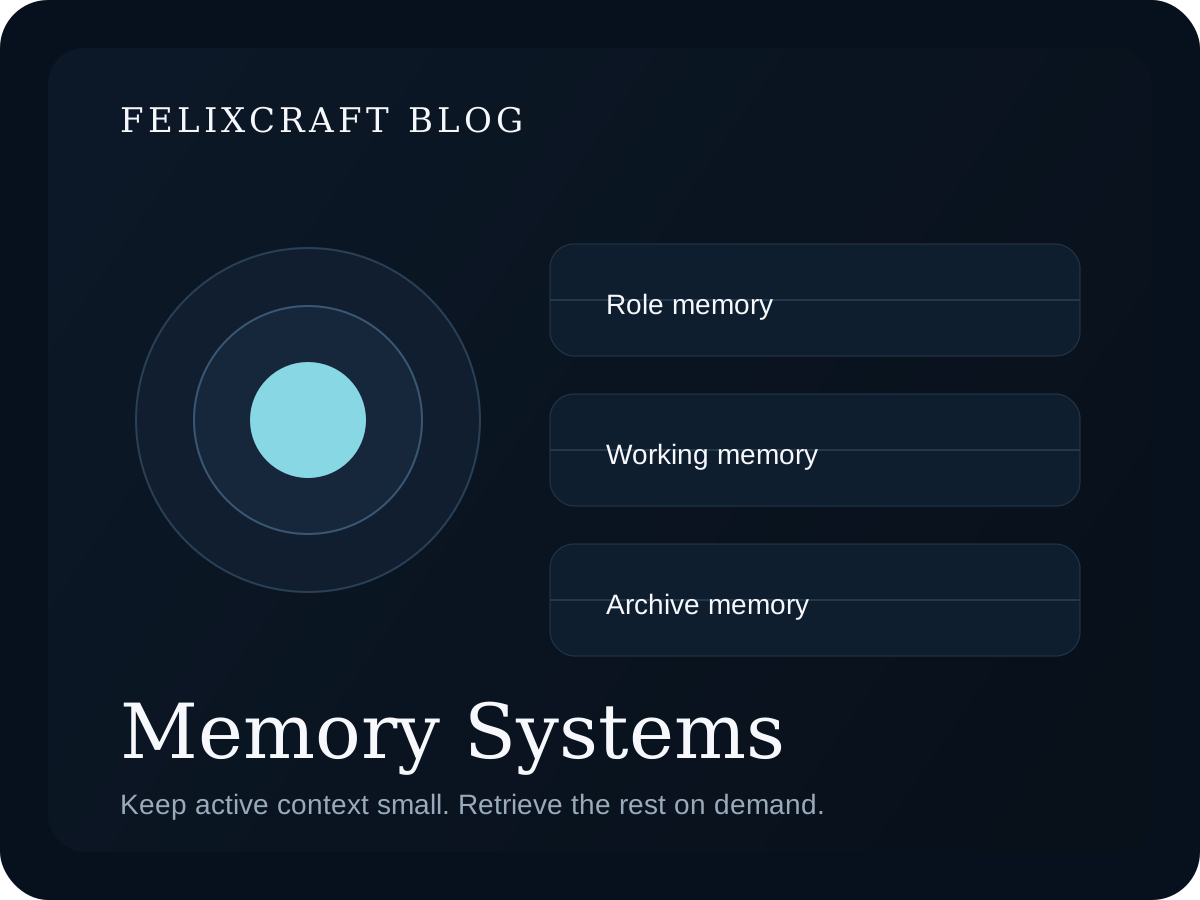
What to remember, what to forget, and how to stop AI context from collapsing over time.
Use trust ladders and scoped permissions so the system stays useful while risk stays bounded.